


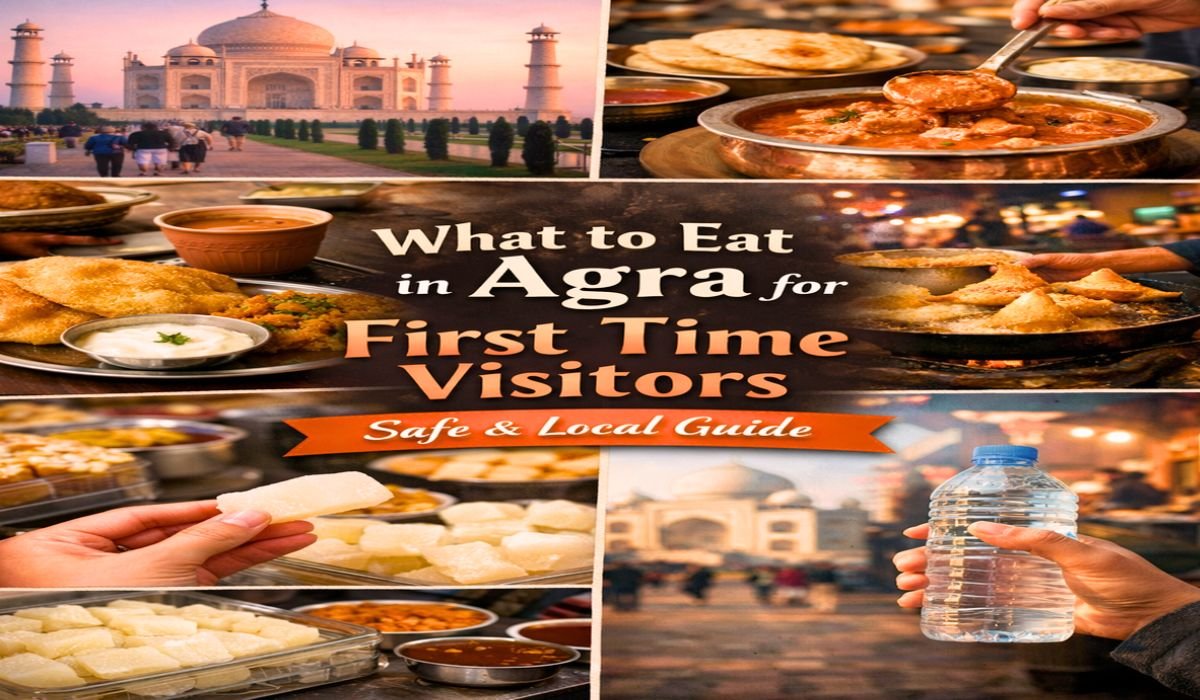
It usually happens right after sunrise.
We walk out through the red sandstone gate, the white marble of the Taj Mahal slowly fading from pink to ivory behind us. You’ve taken photos, you’ve stood quietly by the river side, and then — almost every time — you turn to me in the parking area and say:
“I’m starving… but I’m honestly scared to eat.”
If this is your first time in India, that feeling is normal. You’ve probably heard stories from friends, Reddit threads, or travel forums: amazing country… but be careful with food.
So instead of excitement, breakfast becomes a decision you feel responsible for.
Let me reassure you first — Agra is actually one of the easiest places in India to start eating local food. Not because it’s touristy. Not because the food is toned down.
Because the way people eat here is calmer, slower, and more kitchen-based than most large Indian cities.
You don’t need to avoid Indian food in Agra.
You just need to understand how the day works.
And once you understand that rhythm, the fear disappears surprisingly fast.
Why Agra Food Feels Easier Than Delhi
Many travelers land in Delhi first. Delhi is energetic and wonderful, but also intense — people snack constantly, vendors cook nonstop, ingredients stay outside longer because turnover is high and the city never pauses.
Agra grew differently.
This was a Mughal capital — meals mattered more than snacking. Families still sit down for breakfast, lunch, and dinner rather than grazing all day. Food is cooked in batches, served hot, and finished quickly.
For your stomach, that changes everything.
Instead of eating food that has been reheated multiple times, you’re eating food prepared for that specific hour. And temperature is more important than spice.
Most visitors assume spices cause stomach problems.
Actually, time and exposure cause stomach problems.
Agra naturally protects you from that because its food culture still follows a daily cycle.
Morning: freshly prepared
Midday: slow cooked
Evening: fast turnover
Late night: minimal eating
Once you follow that same pattern, your body settles quickly — even if it’s your first day in India.
After the Taj Mahal — The Safest Breakfast You’ll Have
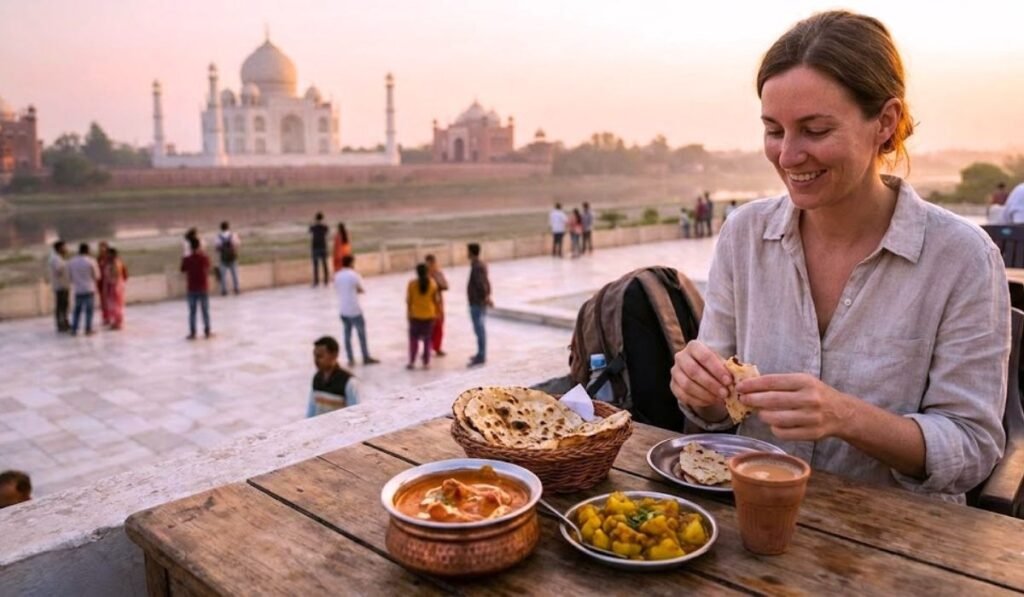
best time to visit Taj Mahal to eat local food. The city is just waking up, kitchens are starting fresh, and oil hasn’t been reused yet.
You’ll notice something immediately: Indian breakfast here isn’t heavy or aggressive. It’s warm and grounding.
Soft breads come straight off the pan. Potato curry is gentle, turmeric-based, not chili-based. Yogurt cools everything naturally. And chai is brewed in boiling water for several minutes — which makes it safer than most cold drinks.
I always watch travelers during that first breakfast. The first bite is cautious. The second bite is curious. By the third, the shoulders relax.
The important part is pacing. Don’t try five dishes immediately — not because they’re unsafe, but because your body just landed in a new climate and bacteria environment a few hours ago. Let digestion wake up gently.
Eat warm, drink chai slowly, and you’ll feel surprisingly comfortable.
Most of my guests tell me later this meal removed half their anxiety about food in India.
Lunch — Where You Actually Feel Strong Again
Here is where many travelers accidentally make a mistake: they snack lightly all morning out of caution.
But in North India, skipping a proper lunch makes digestion worse. Your stomach keeps reacting to small inputs instead of stabilizing.
Agra’s traditional cooking comes from royal kitchens. Meals are cooked slowly, gravies simmered for hours, spices blended into sauces instead of sitting on top. This matters because your stomach processes blended spices far more gently.
So instead of irritating digestion, a proper lunch actually settles it.
Notice the difference: this is not street food.
This is kitchen food — the safest category of Indian cuisine for newcomers.
The dairy content (butter, yogurt, cream) softens spices and makes digestion closer to Mediterranean or Middle Eastern meals than people expect. After eating this, travelers often say they feel energetic rather than heavy.
That’s when confidence starts growing — because your body just proved the stories you heard aren’t always reality.
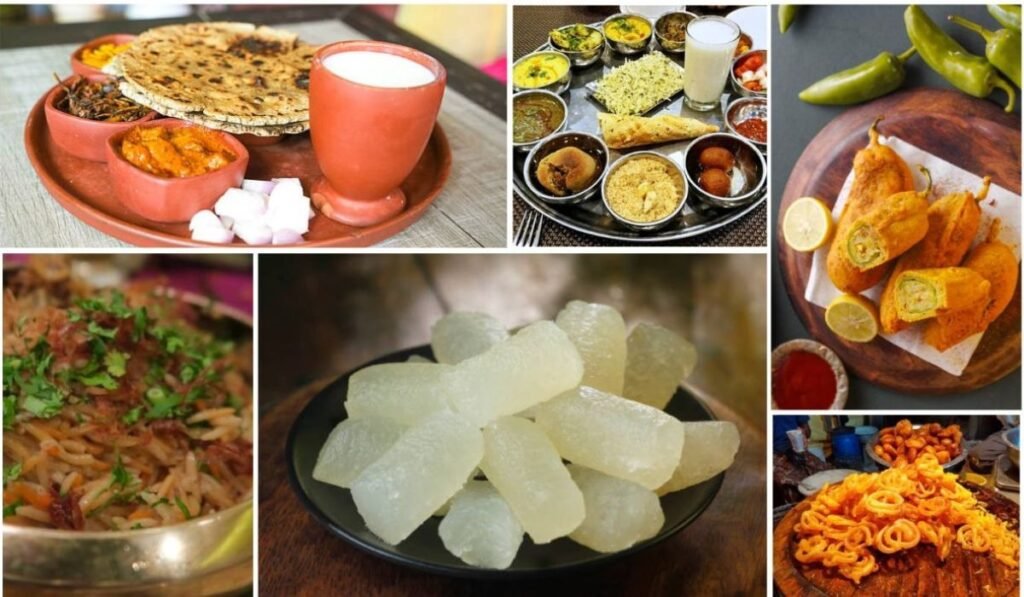
The Famous Sweet — Petha, but at the Right Time
You will see shops everywhere selling Agra’s iconic sweet. Many tourists buy it randomly and eat it immediately in the heat — then feel strange later and blame the sweet.
But the sweet isn’t the issue. The timing is.
Petha is made from ash gourd and sugar syrup. No cream, no fermentation, no risky fillings — actually one of the safest desserts in India.
However, eating concentrated sugar on an empty stomach in hot weather drops hydration levels quickly. Travelers think they feel sick, but they’re just dehydrated.
So the local logic works perfectly:
After lunch → sweet
During heat → avoid heavy sugar
Night → minimal sweets
When guests follow this, they enjoy it and feel fine.
Evening Snacks — Enjoy Them, Just Be Selective
Evenings in Agra feel magical. Markets glow, smells fill the air, and this is when travelers want to explore food culture the most.
This is also the moment where smart choices matter most.
Street food safety here is not about hygiene ratings — it’s about temperature and turnover speed. Hot oil cooking is protective. Raw toppings sitting in open air are unpredictable for a new digestive system.
So instead of avoiding street food, I guide travelers toward foods cooked and eaten immediately.
Hot fried snacks served directly from oil are usually easier than cold assembled items. The difference surprises people — but it’s simply microbiology and temperature.
By the second evening, most guests naturally recognize which stalls feel active and safe.
Drinks & Water — The Real Source of Trouble
After years of guiding, I can honestly say: serious traveler sickness almost never comes from hot cooked food.
It comes from water habits.
Brushing teeth under running tap, ice in cocktails, fresh juices rinsed with local water, or carrying an opened bottle all day in the sun — these cause more problems than curries ever do.
Hot drinks are your ally. Tea and coffee are boiled. Bottled water is safe when freshly opened. Cold exposed liquids are the risk category.
Hydration also matters more than people think. North India’s dry climate dehydrates quickly, and dehydration symptoms feel identical to food poisoning — headache, nausea, fatigue.
So the simple rule I tell everyone:
Hot or sealed — relaxed
Cold and exposed — skip
Follow that, and most worries disappear.
My Personal Golden Rule
After thousands of travelers, I summarize everything into one line:
Eat food that is hotter than your fingers want to touch.
Fresh heat equals safety in India.
Spices are rarely the problem — temperature is.
Once visitors understand this, they stop analyzing every ingredient and start enjoying meals naturally.
A Comfortable Food Rhythm for Your Day
You don’t need a strict plan. Just move with the local rhythm:
Warm breakfast after the monument
Balanced lunch in a proper kitchen
Sweet in afternoon
Light snacks in evening
Early dinner
By the next morning, your body adjusts.
By the second day, curiosity replaces caution.
And that’s the moment India becomes enjoyable instead of intimidating.
So Should You Be Worried?
No — just informed.
Agra is not a place where you must hide from local food. It’s actually the place where many travelers learn they can trust Indian meals when approached correctly.
Food here isn’t a challenge to survive.
It’s part of understanding the culture calmly.
Once you eat confidently in Agra, the rest of North India feels much easier.
FAQ — Honest Questions Travelers Ask
Is vegetarian food safer?
Not necessarily. Freshly cooked hot food — veg or non-veg — is equally comfortable.
Should I only eat at my hotel?
No. Many proper local restaurants cook fresher meals than large buffets.
Is spicy unavoidable?
You can always request something mild. Kitchens adjust naturally.
Can I drink chai daily?
Yes — it’s boiled and one of the safest drinks.
Will my stomach adapt quickly?
Usually within one day if you follow temperature and timing rules.
