


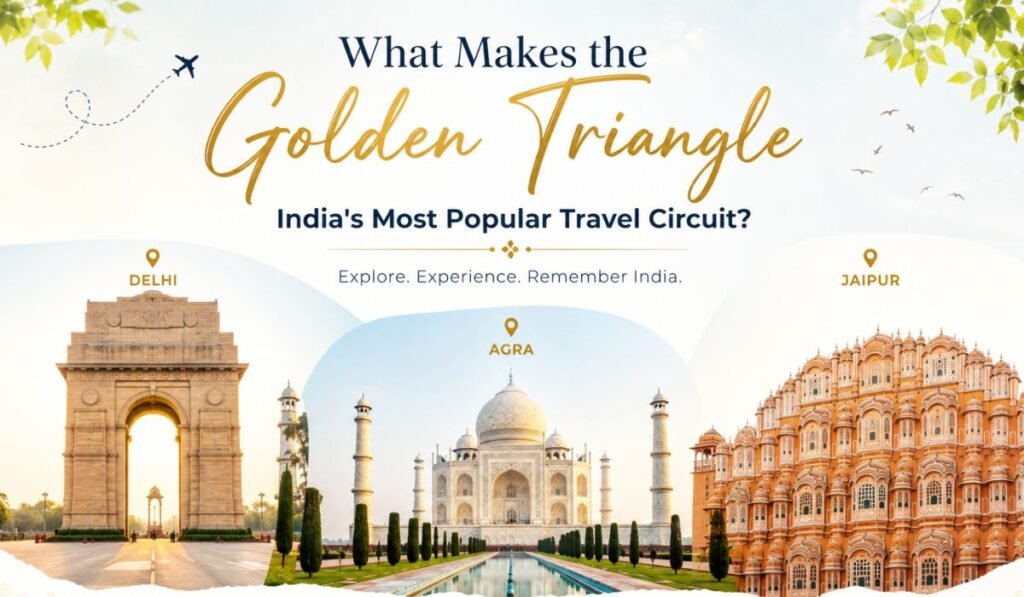
India is a country filled with ancient monuments, vibrant traditions, colorful festivals, and unforgettable travel experiences. Among its many travel routes, one journey consistently stands out for first-time visitors and seasoned explorers alike—the Golden Triangle. If you’ve ever wondered why is the Golden Triangle famous, the answer lies in its perfect blend of history, culture, architecture, and accessibility.
Connecting three iconic cities—Delhi, Agra, and Jaipur—the Golden Triangle forms one of India’s most celebrated tourist circuits. Within a relatively short journey, travelers can witness centuries of Indian history, admire UNESCO World Heritage Sites, experience royal palaces, explore bustling local markets, and enjoy diverse regional cuisines.
Unlike destinations that focus on only one type of attraction, the Golden Triangle offers a complete introduction to India. Every city presents a unique chapter of the country’s story. Delhi showcases the nation’s political heart and historical evolution, Agra reflects the magnificence of the Mughal Empire, while Jaipur introduces travelers to Rajasthan’s royal heritage and colorful traditions.
This combination makes the route one of the most recommended travel experiences for international visitors looking to discover India’s rich diversity in a single journey.
Why is the Golden Triangle Famous?
The Golden Triangle is famous because it connects Delhi, Agra, and Jaipur—three of India’s most historically and culturally significant cities. Travelers can experience UNESCO World Heritage Sites, magnificent forts, royal palaces, vibrant markets, authentic Indian cuisine, and centuries of history within one well-connected itinerary. Its accessibility, diverse attractions, and immersive cultural experiences make it India’s most popular travel circuit.
What is the Golden Triangle?
The Golden Triangle is a tourist route connecting three major cities in northern India:
- Delhi
- Agra
- Jaipur
When viewed on a map, these cities form a triangle, giving the route its famous name.
The journey usually covers approximately 720–800 kilometers depending on the chosen itinerary and travel routes. Excellent highways, rail connections, and nearby airports make travel between these destinations smooth and convenient.
Because the distances are manageable, visitors can comfortably explore all three cities within a week, making it ideal for both short holidays and extended India tours.
Why is it Called the Golden Triangle?
The name comes from the triangular shape formed by the locations of Delhi, Agra, and Jaipur on the map.
The word “Golden” symbolizes the exceptional cultural, architectural, and historical wealth found within these three destinations. Together, they represent some of India’s greatest treasures, attracting millions of travelers from around the world every year.
The route showcases multiple periods of Indian history, including:
- Ancient India
- Delhi Sultanate
- Mughal Empire
- Rajput Kingdoms
- British Colonial Era
- Modern India
Few travel circuits anywhere in the world offer such remarkable historical diversity within a relatively compact region.
Why Millions of Travelers Choose the Golden Triangle
1. Three Completely Different Experiences in One Trip
One of the biggest reasons why the Golden Triangle is famous is that every destination offers a distinctly different atmosphere.
Delhi
India’s capital combines modern city life with thousands of years of history. Travelers can explore grand Mughal monuments, colonial architecture, bustling bazaars, museums, temples, and contemporary neighborhoods—all in one city.
Agra
Known worldwide as the home of the Taj Mahal, Agra also offers magnificent forts, intricate Mughal architecture, peaceful gardens, and fascinating stories of India’s imperial past.
Jaipur
Often called the Pink City, Jaipur introduces visitors to Rajasthan’s royal heritage through majestic forts, ornate palaces, colorful markets, traditional crafts, and vibrant cultural performances.
This variety ensures that no two days of the journey feel the same.
2. UNESCO World Heritage Sites
Another major reason travelers choose this circuit is the remarkable concentration of UNESCO World Heritage Sites.
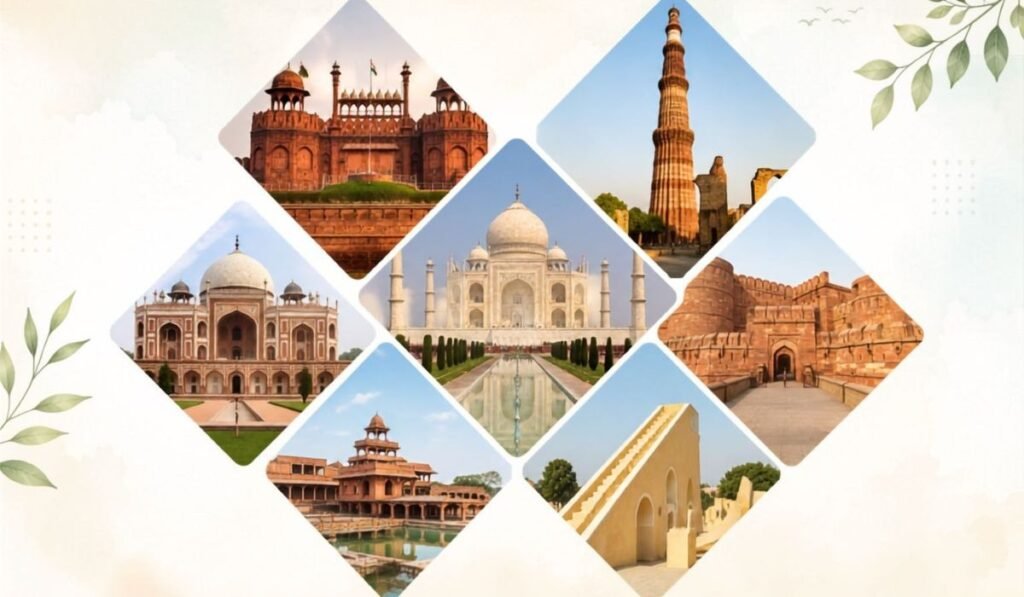
Some of the highlights include:
- Red Fort
- Qutub Minar
- Humayun’s Tomb
- Taj Mahal
- Agra Fort
- Fatehpur Sikri (optional excursion)
- Jantar Mantar Jaipur
These sites provide an extraordinary opportunity to witness centuries of architectural excellence and cultural evolution.
3. Perfect for First-Time Visitors to India
Many international travelers feel overwhelmed when planning their first visit to India because the country is incredibly vast and diverse.
The Golden Triangle simplifies that decision by offering:
- Rich history
- Cultural experiences
- Comfortable transportation
- Luxury and budget accommodation
- Professional guides
- Safe tourist infrastructure
- Excellent connectivity
It serves as an ideal introduction before exploring other regions such as Kerala, Varanasi, Rajasthan, or the Himalayas.
If you’re planning your first visit and want a seamless itinerary with expert guidance, exploring professionally designed India Golden Triangle Tours can help you experience Delhi, Agra, and Jaipur comfortably while making the most of your travel time.
Delhi: Where Ancient Heritage Meets Modern India
Every memorable Golden Triangle journey begins in Delhi, India’s capital city and one of the oldest continuously inhabited cities in the world. With a history spanning more than a thousand years, Delhi has served as the seat of numerous dynasties, empires, and governments. Today, it blends centuries-old monuments with modern infrastructure, making it an exciting destination for travelers.
One of the biggest reasons travelers admire Delhi is its incredible diversity. In a single day, you can walk through medieval forts, visit grand Mughal tombs, explore colonial-era avenues, enjoy bustling street markets, and dine at world-class restaurants.
Must-Visit Attractions in Delhi
Red Fort
A symbol of India’s rich Mughal heritage, the Red Fort impresses visitors with its massive red sandstone walls, royal halls, and historical significance.
Qutub Minar
Standing over 72 meters tall, this UNESCO World Heritage Site is one of India’s finest examples of Indo-Islamic architecture.
Humayun’s Tomb
Often regarded as the architectural inspiration for the Taj Mahal, this beautifully landscaped Mughal monument is a masterpiece of symmetry and design.
India Gate
A popular landmark dedicated to Indian soldiers, surrounded by gardens and lively public spaces.
Jama Masjid
One of India’s largest mosques, offering stunning architecture and panoramic views of Old Delhi.
Chandni Chowk
A paradise for food lovers and shoppers, famous for traditional Indian sweets, spices, jewelry, textiles, and street food.
Why Travelers Love Delhi
Delhi introduces visitors to India’s incredible contrasts:
- Ancient monuments beside modern skyscrapers
- Traditional markets alongside luxury malls
- Historic neighborhoods mixed with vibrant nightlife
- Rich cultural diversity reflected in food, festivals, and architecture
It offers an unforgettable first impression of India and sets the stage for the rest of the Golden Triangle journey.
Agra: More Than Just the Taj Mahal
Although Agra is internationally known for the Taj Mahal, the city has far more to offer than a single monument. As the former capital of the Mughal Empire, Agra is filled with remarkable architecture, fascinating history, and timeless craftsmanship.
Travelers often arrive expecting only the Taj Mahal but leave impressed by the city’s rich cultural heritage and impressive collection of Mughal landmarks. Many visitors choose a Same Day Taj Mahal Tour by Car to comfortably explore the city’s most iconic attractions within a single day.
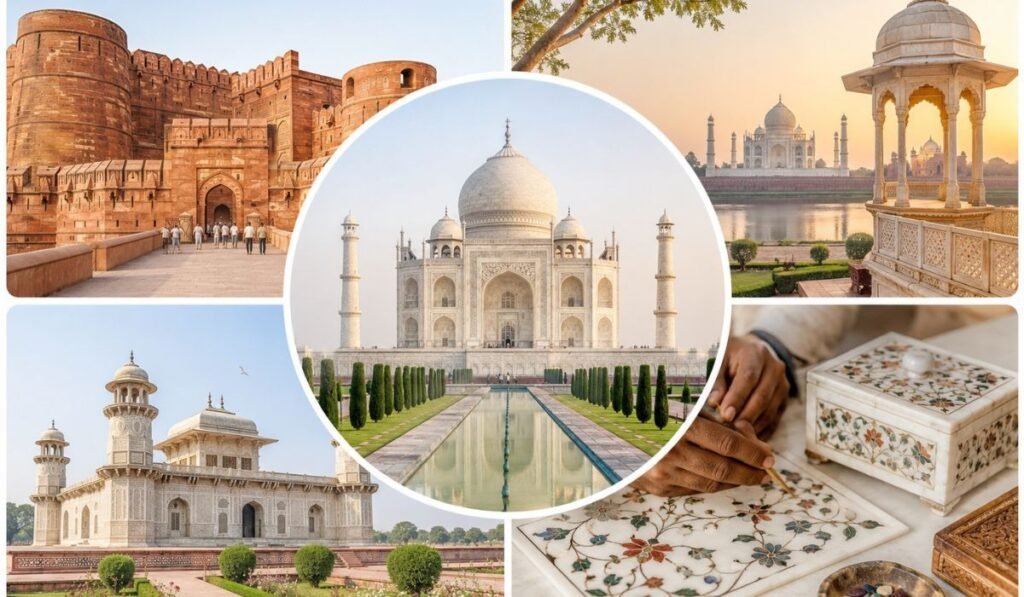
Taj Mahal
No visit to Agra is complete without witnessing the breathtaking beauty of the Taj Mahal.
Built by Emperor Shah Jahan in memory of his beloved wife Mumtaz Mahal, this white marble masterpiece represents one of the world’s greatest architectural achievements. Its intricate marble inlay work, perfect symmetry, and emotional story continue to inspire millions of visitors every year.
Early morning visits are especially popular because the soft sunlight enhances the marble’s natural beauty while offering a more peaceful atmosphere.
Agra Fort
Located just a few kilometers from the Taj Mahal, Agra Fort is another UNESCO World Heritage Site.
This enormous red sandstone fortress once served as the primary residence of the Mughal emperors. Inside, visitors discover royal palaces, audience halls, beautiful courtyards, and stunning views of the Taj Mahal from across the Yamuna River.
Mehtab Bagh
Situated on the opposite bank of the river, Mehtab Bagh offers one of the most picturesque views of the Taj Mahal, especially during sunset.
Photographers often consider this garden one of Agra’s hidden treasures.
Itimad-ud-Daulah (Baby Taj)
Often referred to as the “Baby Taj,” this elegant marble mausoleum introduced several architectural techniques later perfected in the Taj Mahal.
Its delicate carvings and peaceful gardens make it a worthwhile stop for travelers interested in Mughal art and design.
Local Craftsmanship
Agra is also famous for:
- Marble inlay art
- Leather goods
- Handmade souvenirs
- Traditional sweets such as Petha
- Local handicrafts
Watching skilled artisans continue centuries-old techniques adds another memorable dimension to the visit
Jaipur: Experience Rajasthan’s Royal Heritage
The final destination on the Golden Triangle route is Jaipur, the capital of Rajasthan and one of India’s most colorful cities.
Popularly known as the Pink City, Jaipur welcomes visitors with magnificent forts, royal palaces, vibrant bazaars, and a culture deeply rooted in Rajput traditions.
Unlike Delhi’s urban energy or Agra’s Mughal elegance, Jaipur offers a royal atmosphere filled with history, art, and local traditions.
Amber Fort
Perched on a hill overlooking Maota Lake, Amber Fort is one of Rajasthan’s most spectacular architectural landmarks.
Visitors can explore:
- Grand courtyards
- Beautiful mirror work
- Ornate gateways
- Royal chambers
- Panoramic views of the surrounding hills
City Palace
Still home to Jaipur’s royal family, the City Palace combines museums, courtyards, galleries, and magnificent architecture that reflects Rajasthan’s regal past.
Hawa Mahal
Known as the Palace of Winds, Hawa Mahal features hundreds of small windows designed to allow royal women to observe street festivities while remaining unseen.
Its unique honeycomb façade has become one of India’s most photographed buildings.
Jantar Mantar
This UNESCO World Heritage Site houses fascinating astronomical instruments that demonstrate the scientific achievements of eighteenth-century India.
Local Markets
Jaipur’s colorful bazaars are among the best shopping destinations in India.
Popular purchases include:
- Handcrafted jewelry
- Block-printed textiles
- Blue pottery
- Leather footwear
- Gemstones
- Traditional Rajasthani handicrafts
Exploring these lively markets allows travelers to interact with local artisans while supporting traditional craftsmanship.
A Journey Through India’s Living Culture
One reason the Golden Triangle remains so popular is that it offers more than sightseeing—it provides a chance to experience India’s living culture.
Throughout the journey, travelers can enjoy:
- Traditional folk music
- Classical dance performances
- Local festivals
- Artisan workshops
- Heritage walks
- Temple ceremonies
- Regional customs
These authentic experiences create meaningful memories that extend far beyond visiting famous monuments.
A Culinary Journey Across Three Cities
Food is another highlight of the Golden Triangle experience, with each city offering its own unique flavors.
Delhi
- Chole Bhature
- Parathas
- Butter Chicken
- Kebabs
- Street Chaat
Agra
- Petha
- Mughlai Cuisine
- Bedai with Aloo Sabzi
- Dalmoth
Jaipur
- Dal Baati Churma
- Laal Maas
- Ghewar
- Kachori
- Rajasthani Thali
Sampling local cuisine is one of the best ways to understand the traditions and history of each destination.
Why Every City Feels Completely Different
A key reason why the Golden Triangle is famous is the remarkable contrast between its three destinations.
| City | What Makes It Special |
| Delhi | Historic monuments, modern lifestyle, diverse culture |
| Agra | Mughal heritage, iconic architecture, marble craftsmanship |
| Jaipur | Royal palaces, colorful markets, Rajput traditions |
Instead of repeating similar attractions, each city offers a unique perspective on India’s history and cultural evolution. This variety keeps the journey engaging from beginning to end.
Best Time to Visit the Golden Triangle
One of the most common questions travelers ask is when to visit the Golden Triangle. The answer depends on your weather preferences and travel style, but for most visitors, the cooler months offer the best overall experience.
If you’re unsure which season suits your travel plans, read our detailed guide on the Best Time for Golden Triangle Tour to compare weather, festivals, crowd levels, and travel tips for every month of the year.
October to March (Recommended)
This is considered the peak travel season because the weather is pleasant across Delhi, Agra, and Jaipur.
Temperature: Approximately 10°C–28°C
Why this season is ideal
- Comfortable sightseeing throughout the day
- Clear skies for photography
- Pleasant mornings and evenings
- Ideal weather for walking tours
- Numerous cultural festivals and local events
If you’re visiting the Taj Mahal, winter mornings often create a magical atmosphere with soft sunlight, making photography especially rewarding.
April to June (Summer)
Summer brings high temperatures, particularly in Rajasthan.
Temperature: 30°C–45°C
Although sightseeing during midday can be challenging, there are some advantages:
- Lower hotel prices
- Fewer crowds
- Better availability of luxury accommodations
- Attractive seasonal discounts
Travelers choosing this season should begin sightseeing early in the morning and stay hydrated throughout the day.
July to September (Monsoon)
The monsoon transforms many landscapes into lush green scenery.
Advantages
- Beautiful gardens
- Fewer tourists
- Budget-friendly hotels
- Pleasant countryside views
Occasional rainfall may affect outdoor sightseeing, but many travelers enjoy the quieter atmosphere during this period.
How Many Days Are Enough for the Golden Triangle?
The ideal duration depends on how deeply you want to explore each destination.
| Trip Length | Best For |
| 3 Days | Travelers with limited time who want to see the main highlights |
| 4–5 Days | Comfortable sightseeing with less rushing |
| 6–7 Days | Most recommended for first-time visitors |
| 8–10 Days | Travelers interested in local experiences, markets, museums, and nearby attractions |
A 6–7 day itinerary provides enough time to experience each city without feeling hurried.
How to Travel Between Delhi, Agra, and Jaipur
The Golden Triangle is well connected by road, rail, and air, giving travelers several transportation options.
Private Car
For many visitors, traveling by private car offers the greatest flexibility.
Benefits
- Door-to-door convenience
- Flexible sightseeing stops
- Comfortable travel
- Professional driver
- Ideal for families and groups
A private vehicle also allows you to visit attractions along the route without worrying about train schedules.
Train
India’s railway network connects all three cities efficiently.
Advantages
- Affordable
- Comfortable
- Scenic journey
- Good option for independent travelers
However, fixed schedules may reduce flexibility compared to road travel.
Private Car vs Train: Which Option Is Better?
| Feature | Private Car | Train |
| Flexibility | Excellent | Limited |
| Comfort | Excellent | Good |
| Scenic Stops | Yes | No |
| Travel at Your Own Pace | Yes | No |
| Local Sightseeing | Easy | Requires additional transport |
| Best For | Families, couples, international visitors | Budget travelers, solo travelers |
Both options work well, but your choice depends on your budget, schedule, and preferred travel style
Travel Tips for First-Time Visitors
Planning ahead can make your journey smoother and more enjoyable.
If you’re planning your itinerary for the first time, our guide on How to Plan a Golden Triangle Tour covers route options, travel duration, budgeting tips, and the best sightseeing order to help you organize your trip efficiently.
Book major attractions in advance
Popular sites such as the Taj Mahal attract large numbers of visitors, especially during peak season.
Start sightseeing early
Early mornings offer cooler temperatures, softer light for photography, and smaller crowds.
Wear comfortable footwear
You’ll spend several hours walking through forts, palaces, and historic sites.
Stay hydrated
Carry a reusable water bottle, particularly during warmer months.
Respect local customs
When visiting religious sites, dress modestly and follow local guidelines regarding photography and footwear.
Keep cash and digital payment options
Although digital payments are widely accepted, some local markets and smaller vendors may prefer cash.
Want to Explore More?
For a detailed itinerary, travel tips, and must-visit attractions, read our Golden Triangle Tour Complete Guide and plan your trip with confidence.
Common Mistakes Travelers Should Avoid
Many visitors make simple planning mistakes that can affect their overall experience.
Trying to see too much in one day
Rushing between attractions often leads to fatigue and less enjoyment. Allow enough time to explore each site at a relaxed pace.
Ignoring travel time
While the cities are well connected, road journeys still take several hours. Plan your schedule realistically.
Visiting the Taj Mahal at midday
The monument is at its most beautiful during the early morning, when the light is softer and crowds are smaller.
Skipping local markets
Many travelers focus only on famous monuments and miss authentic experiences such as traditional bazaars, handicrafts, and regional cuisine.
Packing without checking the weather
Northern India’s climate changes significantly throughout the year. Checking the forecast helps you pack appropriate clothing and accessories.
Is the Golden Triangle Suitable for Every Type of Traveler?
One of the reasons why the Golden Triangle is famous is its versatility. The route appeals to a wide range of travelers, including:
- First-time visitors to India
- Couples seeking a cultural getaway
- Families with children
- Solo travelers
- Senior travelers
- History enthusiasts
- Photography lovers
- Food explorers
- Luxury travelers
- Budget-conscious backpackers
With varied accommodation, transportation, and sightseeing options, the Golden Triangle can be tailored to different interests and budgets.
If you’re looking for a well-planned itinerary with comfortable transportation and expert local guidance, you can explore our India Golden Triangle Tours to experience Delhi, Agra, and Jaipur without the stress of planning every detail.
Why the Golden Triangle Continues to Attract Millions of Travelers
Every year, millions of domestic and international tourists choose the Golden Triangle as their introduction to India. While the country offers countless incredible destinations, very few routes provide such a balanced combination of history, architecture, culture, cuisine, shopping, and comfortable travel.
Unlike a single-city vacation, the Golden Triangle allows travelers to experience three distinct destinations in one well-connected journey. From Delhi’s historical landmarks and Agra’s Mughal masterpieces to Jaipur’s royal palaces and colorful bazaars, each stop reveals a different side of India’s heritage.
Another reason why the Golden Triangle is famous is its accessibility. The cities are connected by modern highways, reliable rail services, and nearby airports, making travel convenient for families, couples, solo travelers, and international visitors alike.
Whether you’re interested in UNESCO World Heritage Sites, photography, local food, shopping, or cultural experiences, the Golden Triangle offers something memorable for every traveler.
Is the Golden Triangle Worth Visiting?
Absolutely.
For first-time visitors, it is one of the easiest and most rewarding ways to experience India’s diversity. In less than a week, you can explore centuries of history, admire world-famous architecture, taste regional cuisine, interact with local artisans, and gain a deeper understanding of India’s cultural richness.
Even returning visitors often discover something new, whether it’s a hidden market, a heritage walk, a local festival, or a lesser-known monument.
If you’re looking for a journey that combines convenience with unforgettable experiences, the Golden Triangle remains one of the best travel circuits in Asia.
FAQs: Why Is the Golden Triangle Famous?
1. Why is the Golden Triangle famous?
The Golden Triangle is famous because it connects Delhi, Agra, and Jaipur—three of India’s most iconic cities. The route combines UNESCO World Heritage Sites, royal palaces, Mughal architecture, vibrant markets, and rich cultural experiences in one itinerary.
2. What is the India Golden Triangle Tour?
The India Golden Triangle Tour covers Delhi, Agra, and Jaipur, showcasing India’s rich history, culture, and architecture.
3. How many days are enough for the Golden Triangle?
A 6 to 7-day itinerary is ideal for first-time visitors. It provides enough time to explore the major attractions without rushing while allowing for cultural experiences and local sightseeing.
4. What is the best time to visit the Golden Triangle?
The best time to visit is from October to March, when the weather is pleasant and comfortable for sightseeing across Delhi, Agra, and Jaipur.
5. Is the Golden Triangle suitable for first-time visitors to India?
Yes. The Golden Triangle is considered the best introduction to India because it offers history, culture, architecture, local cuisine, shopping, and excellent transportation within a manageable travel route.
6. Can the Golden Triangle be explored by train?
Yes. Delhi, Agra, and Jaipur are well connected by rail. However, travelers seeking greater flexibility often prefer a private vehicle, especially when planning stops at attractions along the way.
7. What are the top attractions included in the Golden Triangle Tour?
Highlights include the Taj Mahal, Amber Fort, and India Gate.
8. Is the Golden Triangle Tour Safe?
If safety is one of your biggest concerns before traveling, read our detailed guide on Is the Golden Triangle Tour Safe? to learn about transportation, accommodation, common travel precautions, and practical safety tips for international visitors.
9. Can families and senior travelers enjoy the Golden Triangle?
Absolutely. The route offers flexible itineraries, comfortable accommodation, and transportation options that make it suitable for families, couples, solo travelers, and senior visitors.
10. Why should I choose a guided Golden Triangle tour?
A guided tour helps simplify travel planning by providing organized transportation, knowledgeable local guides, well-planned itineraries, and more time to enjoy each destination without worrying about logistics.
Final Thoughts
The Golden Triangle is much more than a route connecting Delhi, Agra, and Jaipur. It is a journey through India’s history, art, architecture, traditions, and everyday life.
From standing before the timeless beauty of the Taj Mahal to walking through the grand courtyards of Amber Fort and exploring the vibrant streets of Old Delhi, every destination offers experiences that stay with travelers long after the journey ends.
If you’ve been wondering why is the Golden Triangle famous, the answer becomes clear once you experience its remarkable blend of heritage, culture, and hospitality. It is one of the few travel circuits where every city adds a unique chapter to your story of India.
When you’re ready to plan your trip, explore our India Golden Triangle Tours to discover thoughtfully designed itineraries that help you experience the very best of Delhi, Agra, and Jaipur with comfort, flexibility, and expert local support.